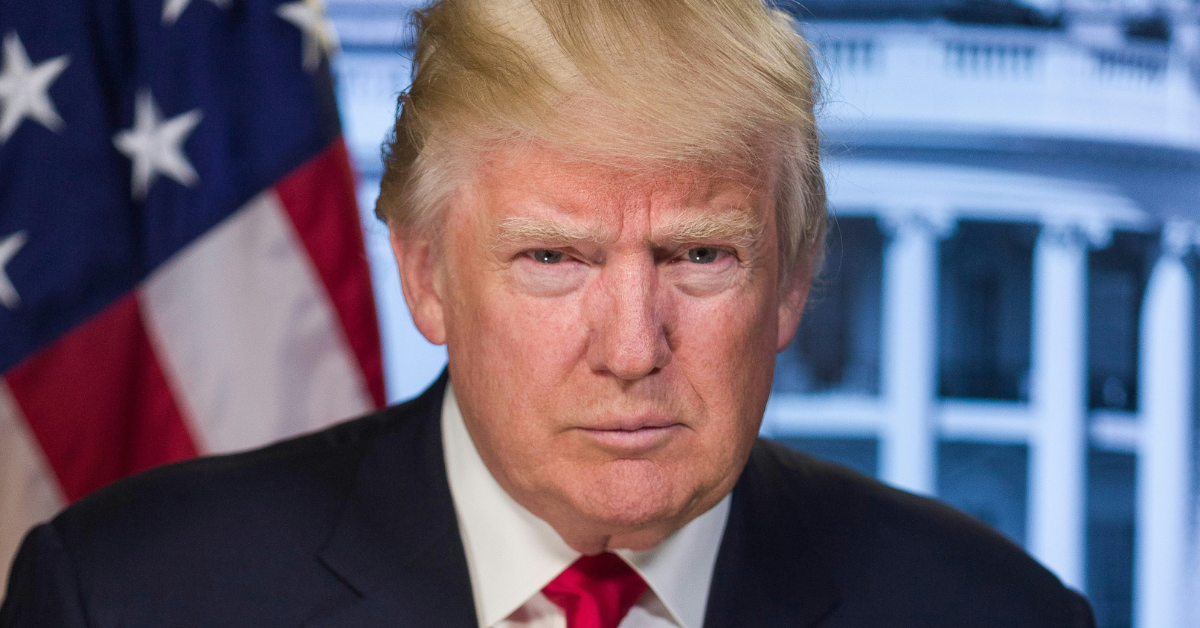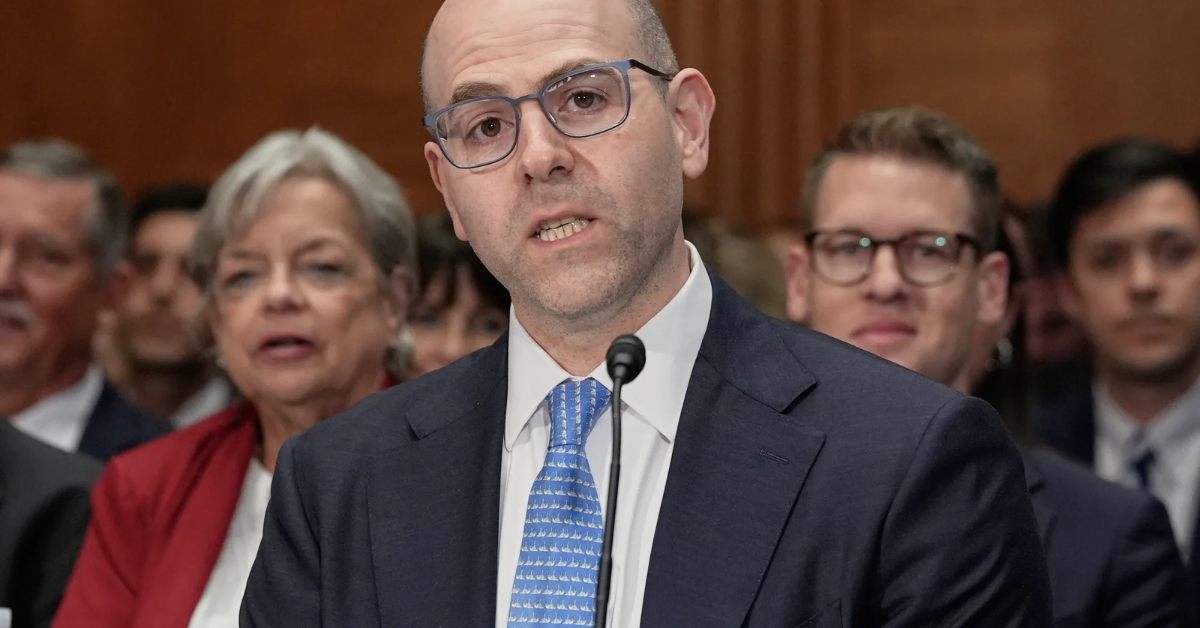
The United States Senate has confirmed Stephen Miran to a key position at the Federal Reserve following a narrow 48-47 vote, a move that carries major political and economic implications. This confirmation comes after a federal appeals court blocked former President Trump’s attempt to remove Lisa Cook from her position on the Fed Board, ruling that his claims of alleged misconduct were unsubstantiated. Miran, a former economic adviser with close ties to Trump, now joins the Federal Reserve during a critical period as the institution weighs potential interest rate cuts and monetary policy strategies. The decision reflects the broader political struggle over control of key economic institutions, with each appointment carrying the power to influence the nation’s fiscal trajectory. Analysts note that Miran’s confirmation may tilt discussions on future policy decisions, especially at a time when inflation remains a primary concern and global markets are sensitive to Fed announcements. The contentious confirmation vote highlights the polarized nature of American politics, where partisan battles extend into the management of independent institutions like the Federal Reserve. Economists emphasize that the Fed’s independence is essential to maintaining market stability, and any perception of political interference can influence investor confidence and the broader economy. Miran’s role will require balancing political pressures with the technical expertise required to make decisions that impact interest rates, employment, and economic growth.

The confirmation of Stephen Miran to the Federal Reserve also underscores the intersection of legal, political, and financial considerations in governance. The court decision blocking Trump’s removal attempt demonstrates the judiciary’s role in safeguarding institutional stability and ensuring that actions taken by former administrations comply with legal standards. By preventing an abrupt and politically motivated change, the court has maintained continuity at the Fed, a critical institution for both domestic and international financial markets. Miran’s presence, however, may signal a shift in the Fed’s approach to policy debates, particularly regarding monetary easing and interest rate management. Observers note that his past positions suggest a willingness to prioritize growth and employment in policy considerations, potentially influencing decisions on rate adjustments, inflation targets, and regulatory oversight. In addition to domestic policy, the appointment carries international ramifications. Investors around the world closely monitor Fed decisions because changes in US interest rates ripple through global markets, affecting exchange rates, capital flows, and trade balances. As such, Miran’s influence extends far beyond Washington, shaping global economic conditions. Politically, the confirmation also impacts the narrative around the Biden and Trump administrations. Democrats may view the court’s intervention as a necessary check on potential overreach, while Republicans aligned with Miran may argue that his confirmation strengthens the representation of diverse viewpoints at the Fed. This dynamic illustrates how high-level appointments to central banks are not just administrative matters but key components of ongoing political discourse and governance strategy. Looking ahead, Stephen Miran’s confirmation could have lasting effects on the United States economy and public trust in institutions. The Federal Reserve faces multiple challenges, including managing inflation, maintaining employment growth, and navigating international financial pressures. With Miran now part of the decision-making body, the balance of perspectives may shift, influencing how the Fed interprets economic data and communicates policy intentions. Markets are likely to react cautiously as investors seek signals about future rate cuts or hikes, regulatory adjustments, and strategic priorities. Additionally, the situation highlights the broader theme of political influence in economic governance. While central banks are designed to operate independently, appointments like Miran’s illustrate the ways in which political context can shape policy debates and outcomes. For the American public, these developments underscore the importance of transparency, accountability, and checks and balances within government institutions. Citizens and businesses alike are affected by Fed decisions, from borrowing costs to investment returns, and understanding the political dimensions behind these decisions is crucial. On the global stage, the confirmation may also impact confidence in US monetary policy. Other central banks and international investors will closely watch how Miran participates in policy decisions, how he aligns with existing members, and whether his perspectives introduce significant changes to the Fed’s strategy. Overall, the confirmation of Stephen Miran represents more than a single appointment; it is a lens through which to examine the interaction of politics, law, and economics in shaping the future of national and global financial stability.
-Advertisement-