1.Saudi Arabia & Pakistan Sign Mutual Defence Pact
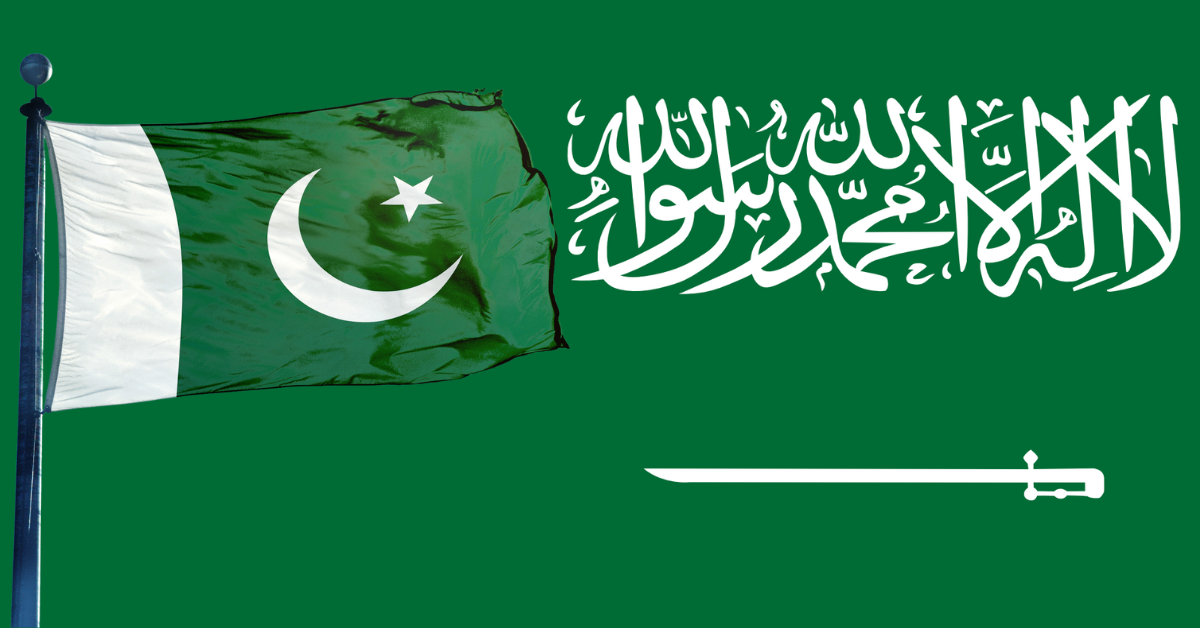
The signing of a historic defence pact between Saudi Arabia and Pakistan has become one of the most significant geopolitical developments of 2025. Announced in Riyadh during an official state visit by Pakistan’s Prime Minister, the agreement establishes a mutual defence framework that pledges military cooperation, intelligence sharing, and strategic support in times of conflict. The pact is being described by regional observers as a major turning point in the security landscape of South Asia and the Middle East. While both nations have enjoyed close ties for decades, particularly through financial aid, trade, and military training, this agreement represents the first time their relationship has been formalized into a mutual defence strategy. The deal is seen as Saudi Arabia’s effort to diversify its security alliances amid declining confidence in U.S. commitments in the region. For Pakistan, the pact provides not only security guarantees but also vital economic lifelines as the country continues to struggle with inflation, energy shortages, and fiscal crises. Saudi Arabia has already invested heavily in Pakistan’s infrastructure and energy sectors, and analysts expect this agreement to unlock further billions in investment. Meanwhile, critics argue that such military alignments could destabilize the already fragile balance of power in the region. India, in particular, has expressed concerns about the implications of this pact, viewing it as a potential threat to its security interests. Nonetheless, supporters of the deal argue that the Saudi-Pakistan alliance could enhance deterrence, improve counterterrorism coordination, and reshape the regional security architecture for the years ahead.
The broader implications of the Saudi Arabia–Pakistan defence pact go far beyond military cooperation. Economically, Pakistan stands to gain significantly from Riyadh’s backing. The Kingdom has promised deferred oil payments, direct deposits into Pakistan’s central bank, and investment packages worth billions aimed at stabilizing Pakistan’s struggling economy. This economic support comes at a time when Islamabad is seeking to rebuild confidence among international lenders and foreign investors. The defence pact therefore represents not only a military alliance but also a financial safety net that could help Pakistan avert deeper economic crises. At the same time, Saudi Arabia is using this agreement as part of its broader foreign policy strategy to reduce reliance on Western military partnerships and increase cooperation with Asian and Muslim-majority countries. This is aligned with Crown Prince Mohammed bin Salman’s Vision 2030, which emphasizes diversification of alliances and greater regional leadership for Saudi Arabia. However, the pact has raised eyebrows in Washington, where U.S. policymakers are concerned about Riyadh’s gradual distancing from American security guarantees. China has also been closely watching these developments, as the agreement complements its Belt and Road investments in Pakistan. Analysts suggest that this tripartite convergence, Pakistan, Saudi Arabia, and China, could pave the way for new security and economic corridors that bypass traditional Western influence. For India, this creates a strategic challenge, as it risks being isolated in a region where alliances are shifting rapidly. In this context, the Saudi-Pakistan defence pact is being seen not just as a bilateral deal but as part of a wider realignment of global power blocs
-Advertisement-The future of the Saudi-Pakistan defence pact will depend on how it is implemented and whether it delivers on its ambitious promises. Militarily, the agreement envisions joint training programs, weapons procurement deals, and intelligence cooperation against terrorism and cross-border threats. This could significantly boost Pakistan’s defence capabilities while providing Saudi Arabia with access to one of the largest and most battle-tested armies in the Muslim world. There is also speculation that the pact could pave the way for joint production of weapons and defense technology, which would further deepen the relationship. On the diplomatic front, this agreement could reshape how both countries position themselves in global forums. Pakistan is likely to use Saudi backing to gain leverage in negotiations with financial institutions and international partners, while Riyadh may seek Pakistan’s support in building stronger coalitions within the Muslim world. Still, challenges remain. Both countries will need to navigate growing regional tensions, particularly with Iran, which may view the pact as a hostile alignment. Furthermore, public perception in both countries will play a role in how sustainable the deal becomes. For Pakistanis, the promise of economic relief tied to the pact will be closely watched, while Saudis may evaluate whether such a commitment enhances their long-term security. Despite uncertainties, what is clear is that the Saudi-Pakistan defence pact marks a significant moment in international relations. It signals a pivot away from traditional dependencies, highlights the growing importance of Asian alliances, and sets the stage for a more multipolar world order where regional powers take greater responsibility for their own security and economic futures.