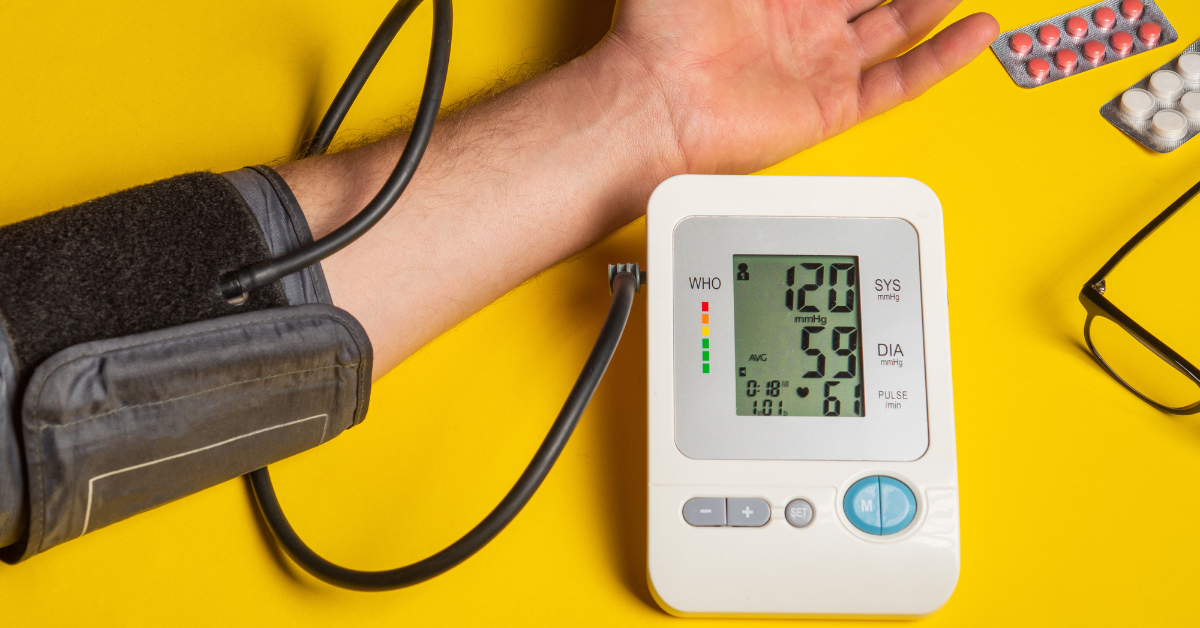
High blood pressure (hypertension) is often called the silent killer because it rarely shows symptoms yet increases the risk of heart disease, stroke, and kidney problems. With hypertension becoming a growing concern worldwide, adopting natural approaches can significantly complement medical treatment. By making small but consistent lifestyle changes, you can protect your heart and improve your overall well-being.
1. Transform Your Diet with Heart-Healthy
Food Choices Focus on Potassium-Rich Foods to Counter Sodium Effects Potassium-rich foods like bananas, spinach, and avocados help relax blood vessel walls and balance out sodium’s negative effects. Aim for at least 3,500–4,700 mg of potassium daily by planning meals that combine fruits, vegetables, and legumes. Embrace the DASH Diet for Proven Results The Dietary Approaches to Stop Hypertension (DASH) diet emphasizes whole grains, vegetables, lean proteins, and low-fat dairy. Studies consistently show that following the DASH diet can lower blood pressure in just a few weeks. Reduce Sodium Intake Through Smart Shopping and Cooking Most sodium comes from processed foods. Read nutrition labels carefully, cook at home more often, and use natural herbs or salt-free seasonings to enhance flavor without increasing blood pressure
The Power of Potassium
One of the best nutrients for managing blood pressure is potassium. This mineral works like a natural counterbalance to sodium. When we eat too much salt, the body holds onto extra fluid, which raises blood pressure. Potassium helps the body get rid of sodium through the kidneys and also relaxes blood vessel walls, which reduces pressure. The good news is that potassium is found in many tasty and common foods. Bananas, spinach, avocados, beans, sweet potatoes, and lentils are all excellent choices. Even dairy products like milk and yogurt provide potassium along with calcium and protein. Experts suggest aiming for about 3,500 to 4,700 milligrams of potassium each day. Adding more potassium to your diet doesn’t have to be complicated. Breakfast could be oatmeal with banana slices. Lunch might include a spinach and bean salad with avocado. Dinner could be grilled salmon with lentils and a side of roasted sweet potatoes. Even snacks like yogurt with berries or carrot sticks help. These foods not only support blood pressure but also improve muscle, bone, and nerve health.
The DASH Diet, a Proven Plan
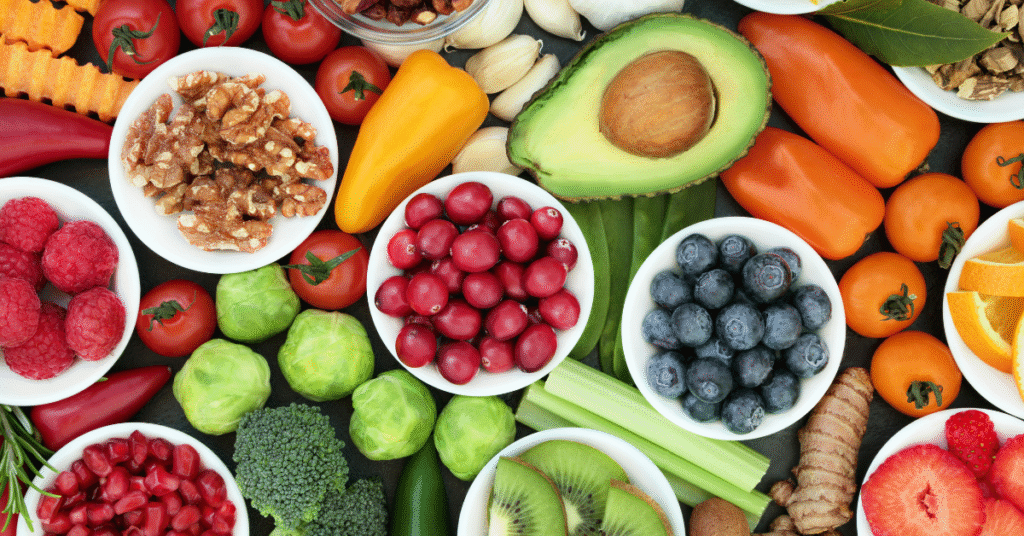
Another highly recommended way to control blood pressure is the DASH diet, which stands for Dietary Approaches to Stop Hypertension. This eating plan is simple, flexible, and backed by strong scientific evidence. It focuses on fruits, vegetables, whole grains, lean proteins, and low-fat dairy while limiting foods high in saturated fats, sugar, and salt. What makes the DASH diet effective is that it combines several nutrients that work together to support healthy blood pressure. Potassium, magnesium, and calcium are key players, and the diet naturally provides them in the right balance. Studies show that people who follow the DASH plan often see improvements within just a few weeks. For some, the results are as strong as taking blood pressure medication. A typical day on the DASH diet might look like this: whole-grain toast with avocado and low-fat milk for breakfast, a colorful vegetable stir-fry with brown rice for lunch, and baked fish with quinoa and broccoli for dinner. Snacks could be nuts, seeds, or fresh fruit. The diet is not restrictive but instead encourages variety and flavor, making it easier to stick with long term.
Cutting Back on Sodium
While potassium helps, it’s equally important to reduce sodium intake. The average person consumes far more salt than the body needs, and most of it comes from packaged and processed foods, not the salt shaker at home. Canned soups, frozen dinners, fast food, and even bread often contain hidden sodium that quickly adds up. To cut back, start by checking nutrition labels. Choose products labeled “low sodium” or “no salt added” whenever possible. Cooking at home gives you the most control because you decide how much salt goes in. Try flavoring meals with herbs and spices like garlic, cumin, basil, turmeric, or rosemary instead of relying on salt. Lemon juice and vinegar can also brighten flavors naturally. It’s also helpful to reduce salt gradually. If your taste buds are used to very salty foods, it may take a little time to adjust. But as you slowly lower your intake, your body will adapt, and you’ll begin to enjoy the natural flavors of food more. Staying hydrated with plenty of water also helps the body flush out excess sodium. Health experts recommend keeping sodium under 1,500 to 2,300 milligrams per day. By making smarter choices at the grocery store and in the kitchen, most people can meet this goal without feeling deprived. The payoff is lower blood pressure, less fluid retention, and better heart health.
-Advertisement-