Suspect was 40-year-old Burton man. At least 10 injured, 4 killed
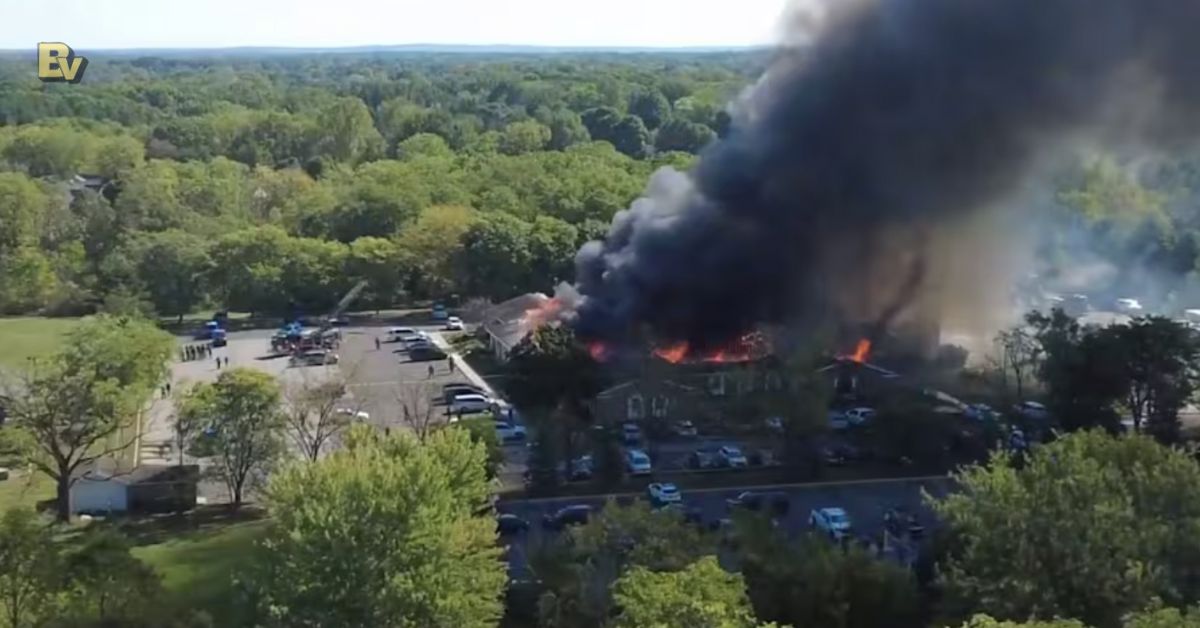
On September 28, 2025, a tragic and violent attack struck a place meant for worship, peace, and community. A gunman drove a vehicle into the Church of Jesus Christ of Latter-day Saints in Grand Blanc Township, Michigan, then opened fire and set the building ablaze. The event shocked the local community and reverberated across the country.
This article provides a full timeline, context, analysis, and the implications of what took place in Michigan.
What Happened: Timeline of the Attack
- At approximately 10:25 a.m. EDT, a man drove a pickup truck through the front doors of the LDS meetinghouse on McCandlish Road in Grand Blanc Township. (WDIV)
- After ramming the entrance, the attacker exited the vehicle and began firing an assault rifle into the congregation. (Reuters)
- The shooter also set fire to the building using accelerants, believed to be gasoline. (The Washington Post)
- Within roughly 8 minutes, law enforcement confronted the suspect outside the church and fatally shot him. (The Washington Post)
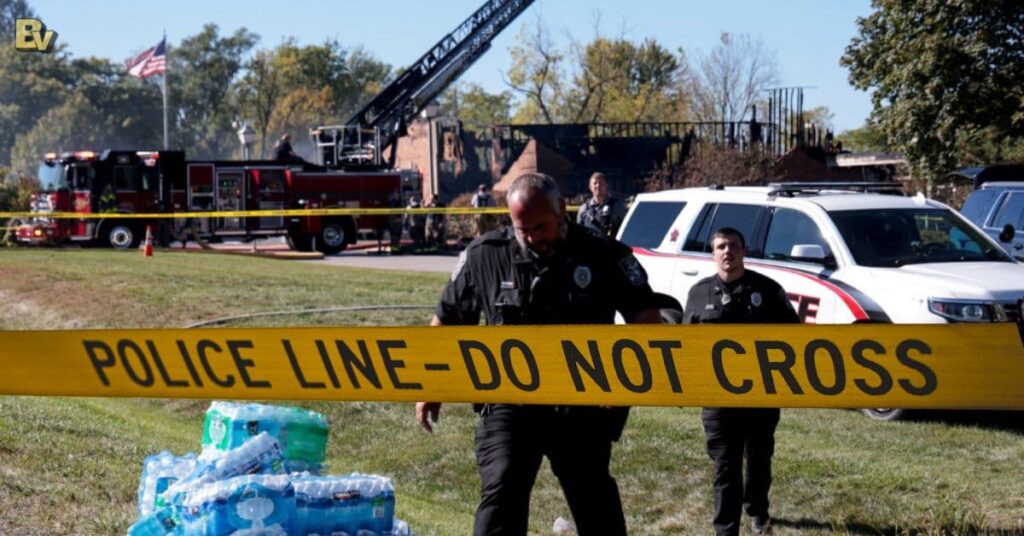
- The fire was extinguished by early afternoon, and authorities searched the rubble for victims or further clues. (Le Monde.fr)
Location & Church Details
The attack took place in Grand Blanc Township, which is located in Genesee County, Michigan. (Wikipedia)
The building targeted was a meetinghouse of the Church of Jesus Christ of Latter-day Saints (LDS). Hundreds of worshippers were inside at the time of the attack. (Le Monde.fr)
Casualties & Damage
- Fatalities: At least 4 people were confirmed dead, excluding the shooter. (The Washington Post)
- Injuries: Eight others were wounded by gunfire; among them, one is reported in critical condition. (Le Monde.fr)
- Additional victims might still be found within the debris. (Reuters)
- The church suffered structural damage due to the fire, with parts of the building collapsing in the blaze. (Wikipedia)

The Suspect: Identity & Background
Authorities identified the shooter as Thomas Jacob Sanford, age 40, from Burton, Michigan. (AP News)
Some background facts:
- Sanford was a former U.S. Marine, having served from 2004 to 2008. (CBS News)
- He graduated from Goodrich High School (class of 2003). (Bridge Michigan)
- Local records note he was a hunter and had familial ties; he had a 10 year old child who underwent medical treatment for a rare condition. (Bridge Michigan)
- There is no confirmed link between Sanford and the LDS church, his motive remains under investigation. (The Washington Post)
Weapons, Tactics & Arson
The attack combined multiple tactics:
- Vehicle-ramming: The assailant used his pickup truck to breach the church’s front entrance. (The Washington Post)
- Gunfire: After entering, he used an assault-style rifle to shoot into the congregation. (Reuters)
- Arson: He set the church on fire using gasoline or accelerants. (The Washington Post)
- Explosive devices: Investigators discovered improvised explosive devices (IEDs) inside his vehicle, though it’s unclear whether they were used. (WDIV)
This multi-pronged assault heightened the danger and complexity of the incident.
Investigative Response & Motive
Law Enforcement Actions
- Within seconds of the first 911 call, officers arrived on the scene. (CBS News)
- Two officers engaged the suspect in a shootout in the church parking lot; they killed him at approximately 10:33 a.m. (The Washington Post)
- A bomb squad was deployed to the scene and to the suspect’s home in Burton to search for explosive materials. (WDIV)
- Authorities obtained search warrants and began examining the suspect’s digital devices, phone records, and home. (WDIV)
Evidence & Clues
- IEDs found in the truck suggest planning and premeditation. (WDIV)
- Investigators are now analyzing the suspect’s communications, travel patterns, and social media footprints. (Le Monde.fr)
- No official motive has been determined yet. Authorities categorize the act as “targeted violence.” (AP News)
Broader Context: Church Shootings in the U.S.
Attacks on houses of worship are deeply disturbing because they violate the sense of sanctuary that these places represent.
Historical Cases of Church Shootings
- In 2018, a shooting at an LDS meetinghouse in Fallon, Nevada injured two people (one died). (Wikipedia)
- The List of attacks against Latter-day Saint churches includes multiple incidents of arson, vandalism, and violent attacks in recent years. (Wikipedia)
- Across the U.S., there have been several high-profile church shootings (e.g. Charleston AME Church 2015, Sutherland Springs 2017).
Why Places of Worship Are Targeted
- They are public and symbolic: attacking a religious site carries a strong emotional and symbolic message.
- Low security: Many congregations don’t have heavy security measures, making them vulnerable targets.
- Gatherings of people: Worship services often bring together many people in a predictable location and time, offering an opportunity for attackers seeking mass casualties.
- Ideological or hate motivations: Some attacks are motivated by religious intolerance, radical ideology, or mental distress.
Community Impact & Reactions
Statements from Officials & Church
- Michigan Governor Gretchen Whitmer called the violence “unacceptable” and expressed heartbreak. (AP News)
- The LDS Church released a statement praying for healing, and offered support to those affected. (Le Monde.fr)
- National leaders, including the U.S. President, condemned the attack and pledged cooperation. (The Washington Post)
Local Community Response
- The Grand Blanc community has held vigils, prayer gatherings, and memorial services.
- Trauma counseling and victim support services were mobilized for survivors, families, and witnesses.
- Neighboring congregations and religious organizations expressed solidarity, offering space, resources, and emotional support.
Prevention, Security & Policy Responses
Hardening Target Strategies
- Houses of worship may adopt controlled access points, security screening, surveillance cameras, or safety training for congregants.
- Some churches have volunteer security teams trained in de-escalation and emergency response.
- Regular active shooter drills and communication plans can help reduce casualties in an emergency.
Legal & Policy Measures
- Renewed calls for stricter gun control legislation, such as expanded background checks and restricting access to assault-style weapons.
- Red flag laws (allowing temporary removal of firearms from individuals deemed dangerous) are often discussed in response to mass shootings.
- Funding for mental health services, threat assessment, and community safety initiatives may increase.
-Advertisement-
Lessons Learned & Calls to Action
- Preparedness matters: even sacred spaces must plan for worst case scenarios.
- Community vigilance: congregation members should be aware of suspicious behaviors and report concerns.
- Support systems: stronger networks for mental health, conflict resolution, and crisis support can act as preventive buffers.
- Political momentum: tragedies often reignite debate, sustained advocacy is needed for meaningful change.
FAQs
- How many people were killed in the Michigan church shooting?
— At least 4 worshippers lost their lives, excluding the shooter. (The Washington Post) - What was the name of the suspect and his background?
— The suspect was Thomas Jacob Sanford, 40, a former Marine from Burton, Michigan. (AP News) - Was a motive ever discovered?
— No confirmed motive has been publicly disclosed; investigations are ongoing. (The Washington Post) - How quickly did law enforcement respond?
— Officers arrived within seconds and confronted the attacker about 8 minutes into the incident. (CBS News) - Were there explosives involved?
— Investigators found IEDs in the suspect’s vehicle; whether they were used is not yet confirmed. (WDIV) - What measures can churches take to improve safety?
— Options include security training, controlled access, surveillance, emergency drills, and working with local law enforcement.
Conclusion
The Michigan church shooting in Grand Blanc Township stands as a stark reminder of how even sanctuaries of faith can be targeted by violence. The attack fused vehicular assault, gunfire, and arson in a swift, brutal act that left lives shattered.
While the suspect is dead, many questions remain. The community’s grief is deep, and healing will take time. But in the aftermath, important conversations must continue, about security, mental health, policy, and how we protect our places of worship and the people within them.