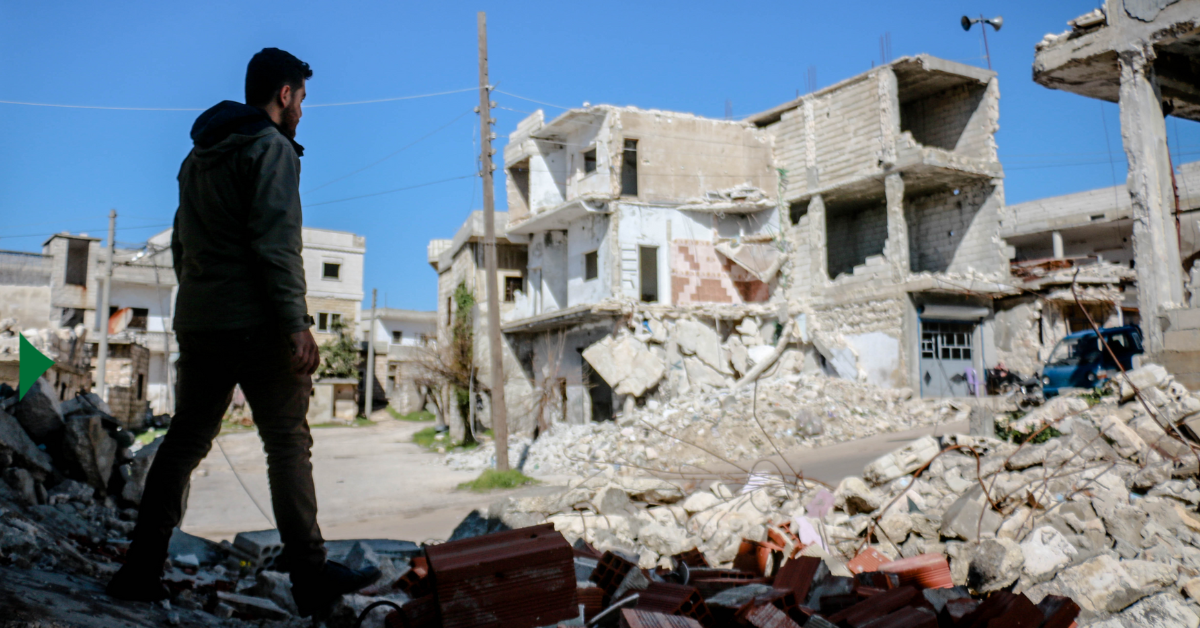
The Israel Gaza war has entered a new and more violent phase as Israeli forces launched one of the largest ground offensives of 2025. Tanks, armored vehicles, and thousands of troops pushed into Gaza City, targeting what the Israeli government describes as Hamas strongholds. This escalation has led to some of the most intense fighting since the conflict reignited, with airstrikes and artillery bombardments hitting densely populated areas. Humanitarian groups report rising civilian casualties, with hospitals overwhelmed and basic supplies of food, water, and electricity running out. The United Nations has described the situation as catastrophic, calling for urgent humanitarian corridors to allow aid delivery. However, Israel maintains that its military operations are necessary to dismantle Hamas’ military infrastructure and prevent further rocket attacks on its cities. For Palestinians, the offensive has brought more destruction to an already devastated territory, with entire neighborhoods reduced to rubble. The conflict has deepened global divisions, as some countries back Israel’s right to defend itself while others denounce the scale of its military response as disproportionate and in violation of international law. The war is no longer just a regional struggle; it has become a focal point of international diplomacy, media coverage, and grassroots activism across the world.
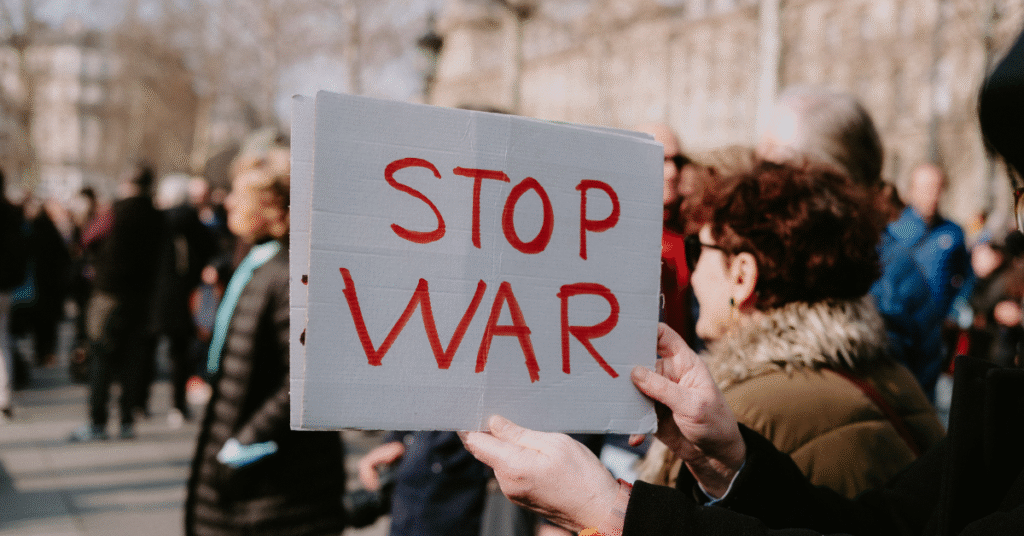
The global response to Israel’s latest offensive in Gaza has been sharp and polarized. The United States has reiterated its support for Israel, blocking attempts at the United Nations to pass resolutions demanding a permanent ceasefire. Washington argues that Israel has the right to protect itself from Hamas rocket attacks and cross-border incursions, but critics say the U.S. position isolates it from the majority of the international community. European leaders, including France and Spain, have condemned the escalation, calling for an immediate ceasefire and humanitarian access. In the Middle East, reactions are even stronger. Qatar and Saudi Arabia condemned Israeli strikes that killed senior Hamas officials in Doha, an incident that has worsened diplomatic tensions between Israel and Gulf states. Turkey has also stepped up its rhetoric, accusing Israel of committing war crimes. Protests have erupted worldwide, with massive demonstrations in London, Paris, New York, and Islamabad demanding an end to the war. Social media has amplified these protests, turning Gaza into a global rallying point for calls for justice and peace. At the same time, Israel faces increasing pressure from its own allies to exercise restraint, even as its government insists that the offensive will continue until Hamas’ military capability is neutralized. These events underscore how the Gaza war has become not only a humanitarian tragedy but also a diplomatic crisis that could reshape alliances in the Middle East and beyond.
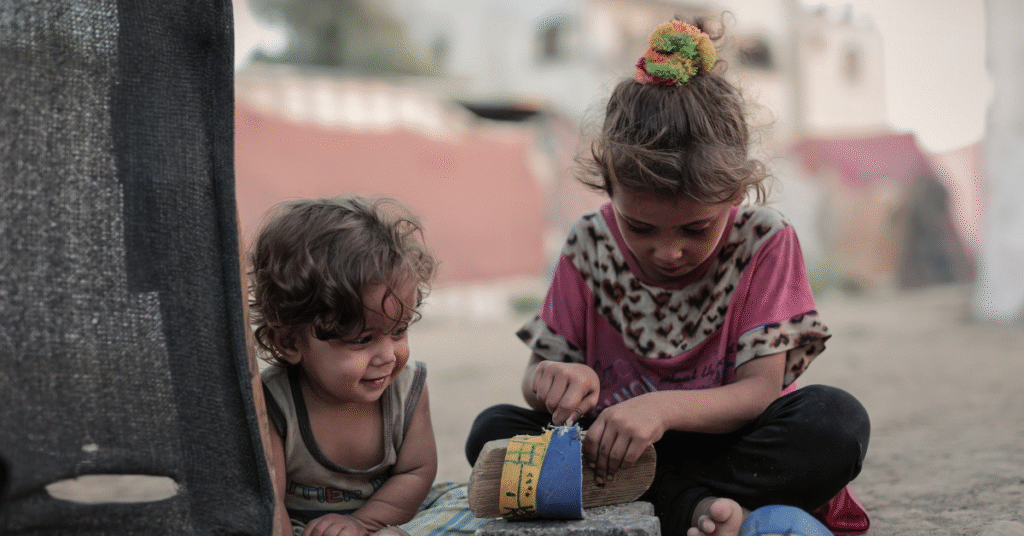
Looking ahead, the future of the Israel Gaza conflict remains uncertain. While Israel’s military has achieved significant territorial gains in Gaza, analysts warn that military victories alone will not bring long-term peace or stability. Hamas, despite heavy losses, still maintains strong support among segments of the Palestinian population and could regroup in the aftermath of the offensive. Meanwhile, ordinary Palestinians continue to bear the brunt of the conflict, with tens of thousands displaced, infrastructure destroyed, and an entire generation traumatized by war. International efforts to mediate peace are struggling, as the U.S. veto at the U.N. blocks multilateral solutions while regional actors remain divided. Egypt has attempted to revive negotiations for a humanitarian truce, but so far without success. The risk of regional spillover is also growing, with Hezbollah in Lebanon threatening to open a new front against Israel and Iran warning of retaliation if the conflict continues. For now, the war shows no signs of de-escalation, and the humanitarian cost is climbing daily. Experts say that unless a comprehensive political solution addressing Palestinian statehood and security guarantees for Israel is achieved, the cycle of violence will repeat again. What is unfolding in Gaza today is not just another round of fighting, it is a pivotal moment in the Israeli-Palestinian conflict that could set the tone for the region’s stability or instability in the coming years.